Education, Choice and the Future of Lithuania
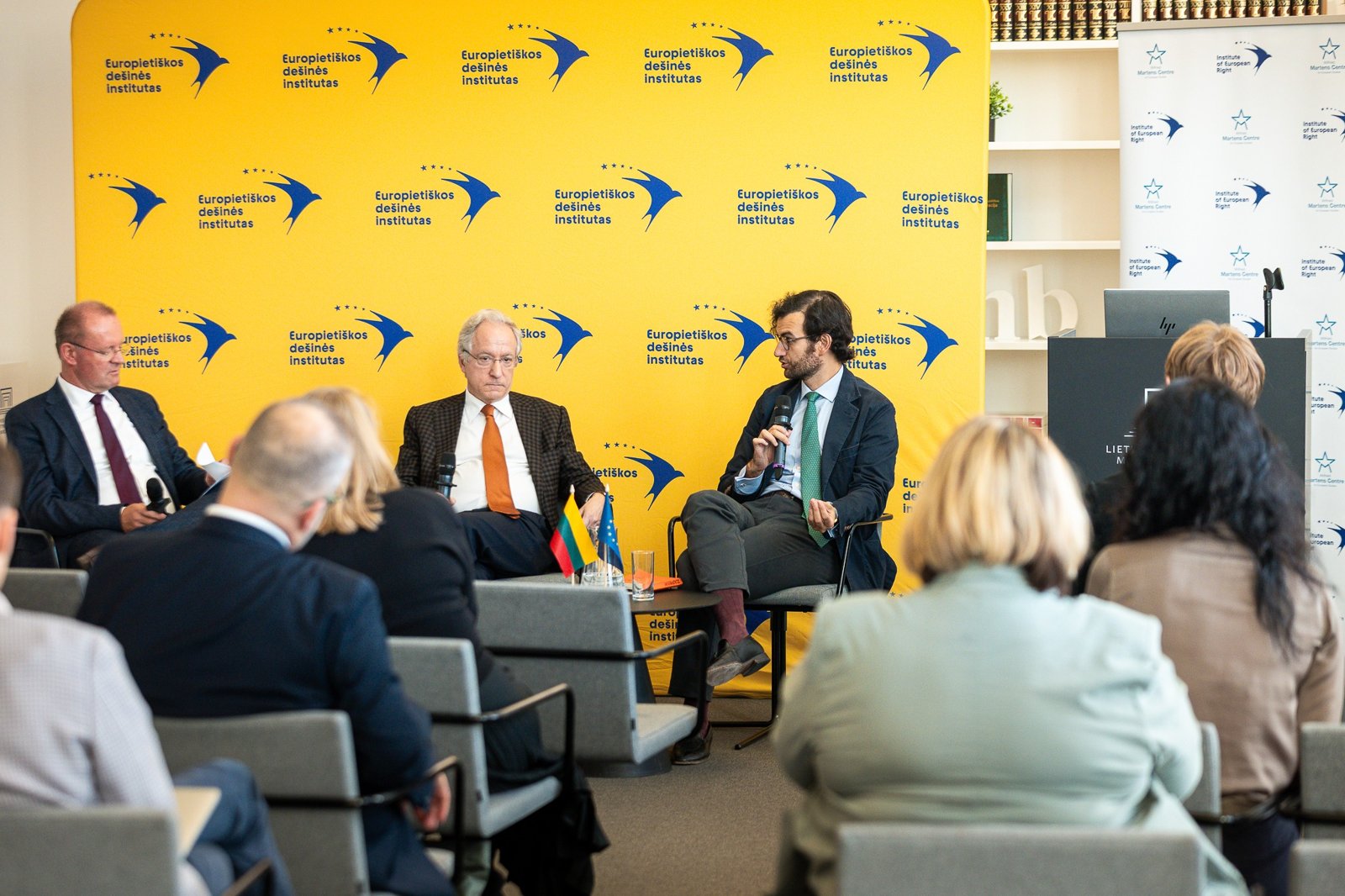
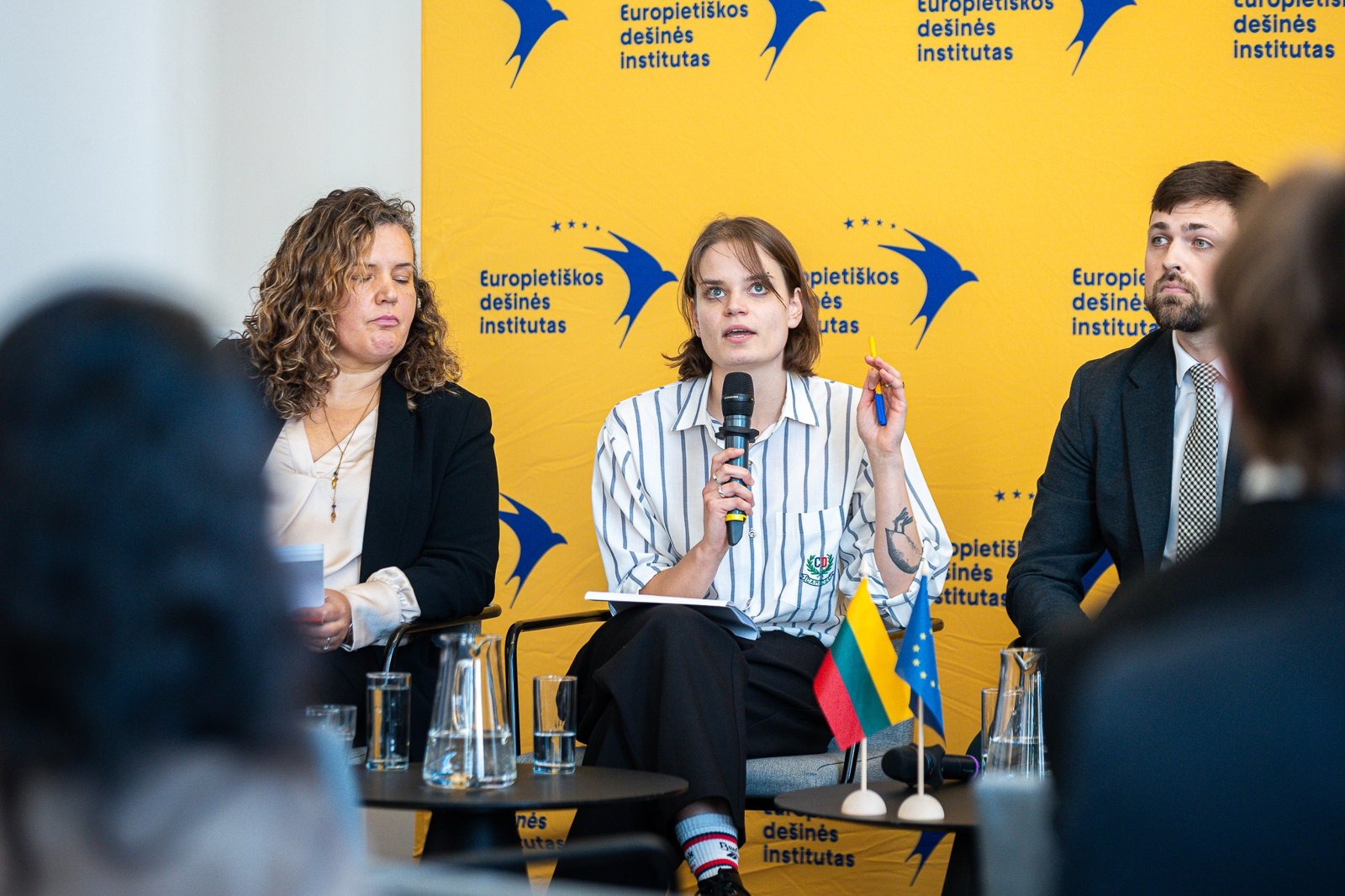
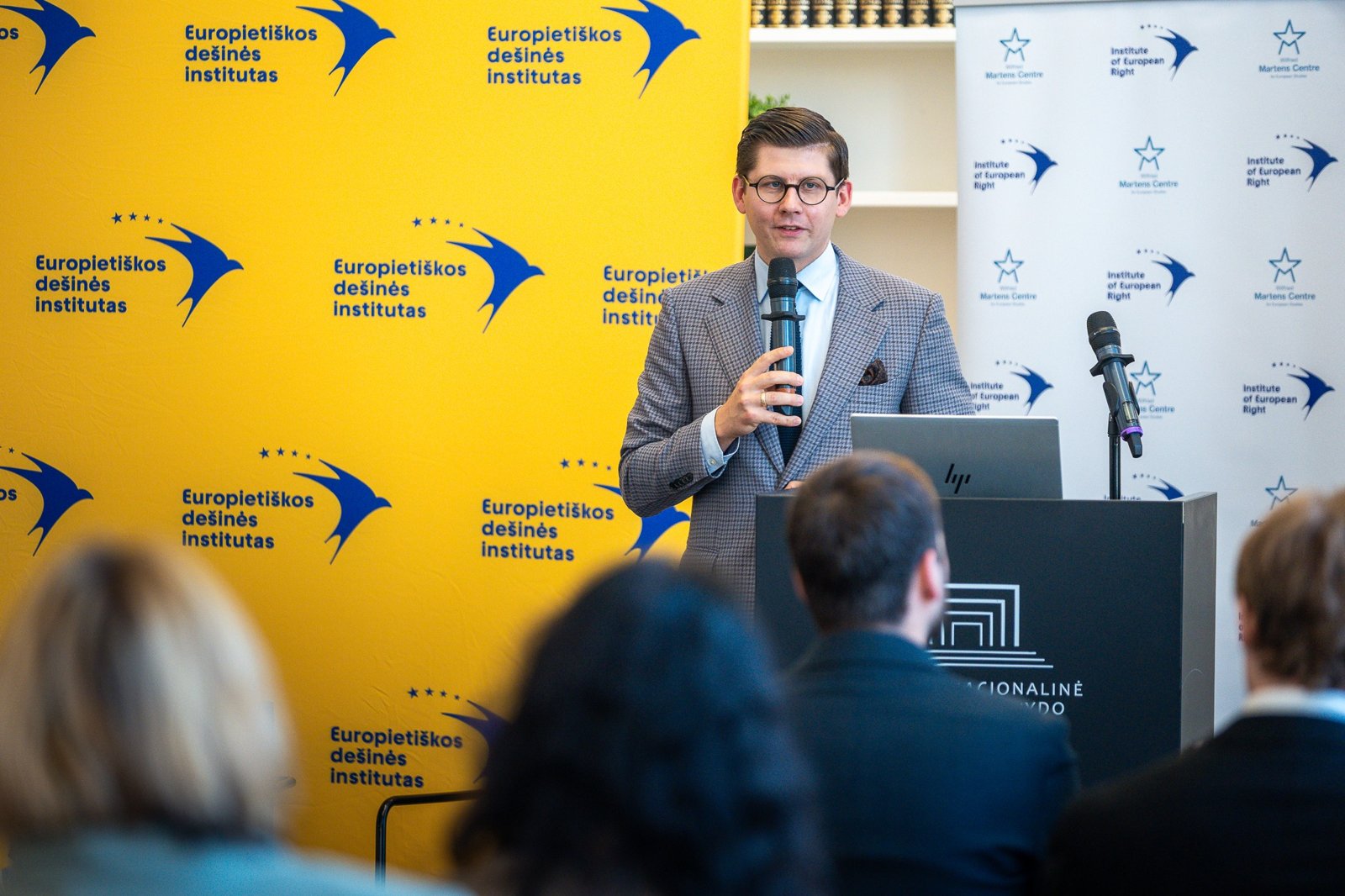
On 1 October 2026, a forum held at the Martynas Mažvydas National Library of Lithuania discussed the challenges facing Lithuanian education and questions of educational diversity in a European context. The main ideas and insights from the discussion:
Education policy needs clearer priorities and consistency.
Constant changes in reforms, policy priorities and requirements for teachers make the work of schools harder and create a great deal of uncertainty about the future. Rather than continually restructuring the whole system, it is important to strengthen what works and to focus on a smaller number of achievable priorities.
The quality of education cannot be reduced to a single indicator.
The discussion raised questions about Lithuania’s stagnating PISA results and the interpretation of education data. Excessive attention to tests can overshadow the broader aims of education. Assessment of pupils’ achievement should help us understand what pupils actually know and can do, and what individual support they need.
The teacher shortage requires both national and local solutions.
Shortages can be highly local, so measures taken at the ministry level cannot resolve every situation. It is important to make the profession more attractive, to bring graduates of teacher training programmes into schools and to improve school leadership. Solving the teacher shortage requires an integrated approach: the system cannot rely solely on exceptional school leaders, exceptionally dedicated teachers, or the efforts of municipalities or the ministry alone. What is needed is a common approach and action at every level to bring new teachers into schools.
Parents’ right to choose is meaningful only when real alternatives exist.
Formal freedom of choice changes little if other schools are too far away, too expensive or fail to provide good quality education. For educational diversity to contribute to social mobility, alternatives must also be accessible to lower income families. Choice also requires reliable information about the quality and results of schools.
School diversity must be compatible with common standards.
Parents’ right to choose their children’s education does not remove the state’s responsibility to set minimum requirements and to ensure accountability for public funding. The example of the Netherlands, mentioned in the discussion, shows that religious, Montessori and other types of schools can be combined with common educational requirements. It is also important to understand that a school’s formal status does not in itself guarantee better results.
Critical thinking requires concrete knowledge.
The ability to evaluate information rests on knowledge of the subject, so developing general skills cannot replace knowledge. A concrete discussion is needed about which books children should read and what core knowledge of mathematics and other subjects they should acquire. Easy access to information online and the use of artificial intelligence do not remove this need.
Education should help children both preserve their identity and get to know the wider world.
The idea of the “mirror” covers a child’s language, culture, family environment and heritage, while the “window” stands for encountering other cultures and perspectives. Balancing these two functions is especially important when considering the education of national, religious and other minorities: nurturing cultural identity should not isolate young people within a single identity, but, by helping them understand their own identity, prepare them to participate fully in society.
Learning is also shaped by what happens outside school.
Poverty, the family environment, social media and smartphone use affect pupils’ concentration and learning. Parental involvement includes not only formal communication with the school but also everyday conversations about learning. A wide gap between the experience of school and that of the family or community can weaken a pupil’s sense of belonging at school.
It is time for Lithuania to ban smartphone use in schools for children under 16, as many European countries already do.
Such a ban is necessary to reduce children’s screen dependence, improve their concentration, learning outcomes and emotional health, and encourage face to face interaction at school.

The future of education is a matter of democratic agreement.
Decisions about what to teach children, how much freedom to give families and what responsibility the state should take on cannot be settled by administrative means alone. Disagreement is not a problem in itself. What matters is that democratic institutions provide space to debate it and to take decisions. Education policy begins with ideas and goals on which society must deliberate and reach agreement.
Event details and photos: Facebook.